

Understanding Oily Skin and Its Unique Needs
Oily skin is characterized by excess sebum production, enlarged pores, frequent shine, and a higher tendency toward acne and blackheads. While oil helps protect the skin barrier, too much of it can clog pores and lead to breakouts. That’s why creating a skincare routine for oily skin requires balance—not stripping the skin, but gently regulating oil production while maintaining hydration.
Many people mistakenly believe oily skin doesn’t need moisture. In reality, dehydration can trigger even more oil production. A well-structured routine keeps your skin calm, hydrated, and clear.
Why a Proper Skincare Routine Matters for Oily Skin
Without a consistent routine, oily skin can quickly become congested, irritated, or inflamed. A targeted regimen helps:
- Control excess oil without over-drying
- Minimize the appearance of pores
- Reduce acne and blackheads
- Protect the skin barrier
- Prevent premature aging
When done right, creating a skincare routine for oily skin leads to healthier, more balanced skin over time.
Not sure if you have oily skin? Visit our Skincare Basics article!
Step-by-Step Guide to Creating a Skincare Routine for Oily Skin
Step 1: Double Cleansing (Optional but Powerful)
Double cleansing is especially useful at night to remove sunscreen, makeup, and excess sebum.
Oil-Based Cleansers for Oily Skin
Contrary to popular belief, oil cleansers are excellent for oily skin because oil dissolves oil.

- Anua Heartleaf Pore Control Cleansing Oil – Lightweight, calming, and ideal for clogged pores
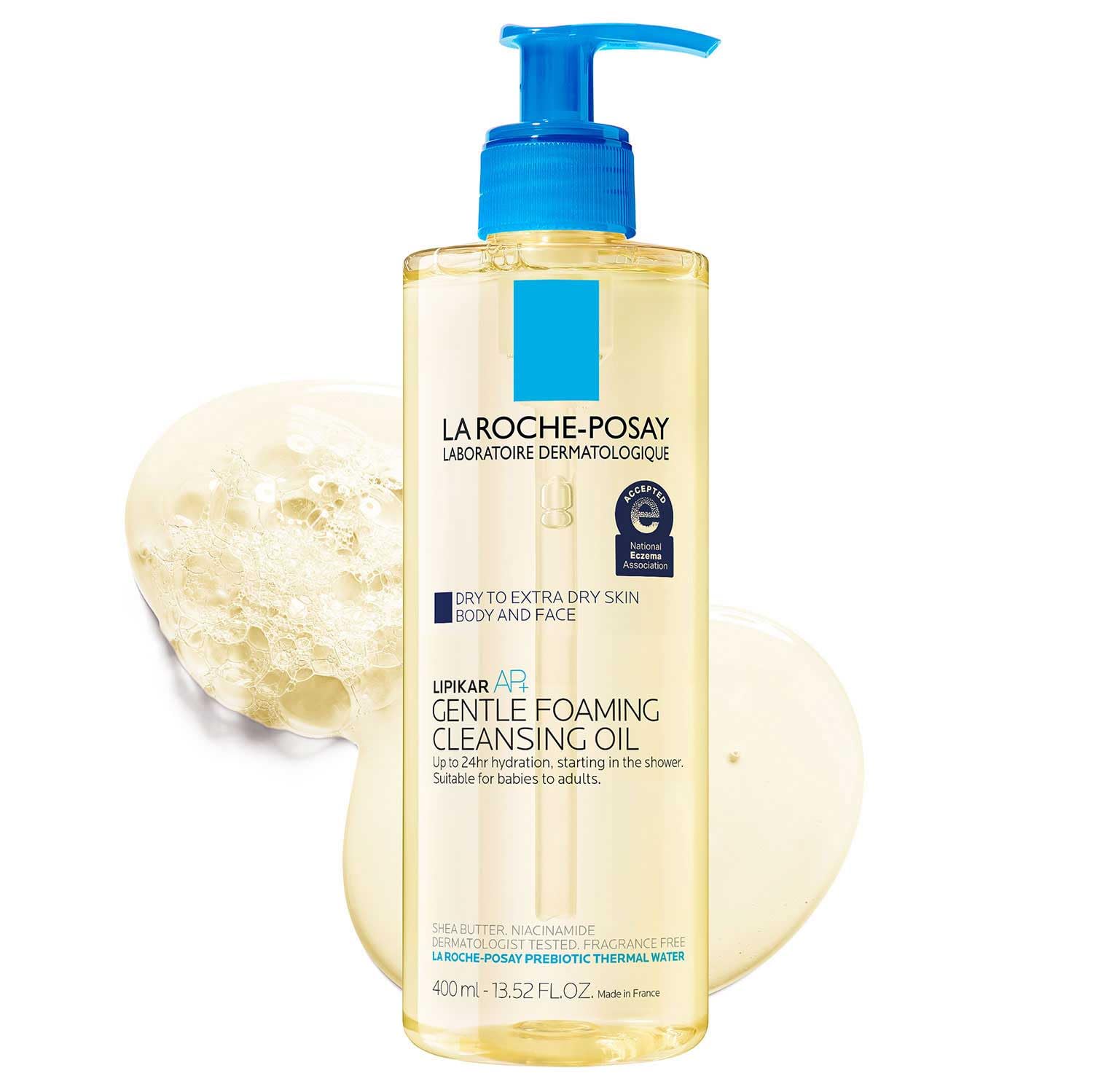
- La Roche-Posay Lipikar AP+ Gentle Foaming Cleansing Oil – Non-comedogenic and barrier-friendly
Use one of these in the evening only.
Step 2: Water-Based Cleansing
This is the foundation of creating a skincare routine for oily skin. A good foaming cleanser removes sweat and impurities without stripping.
Best Foaming Cleansers for Oily Skin

- La Roche-Posay Toleriane Purifying Foaming Facial Cleanser – Excellent for sensitive, oily skin

- CeraVe Foaming Facial Cleanser – Contains ceramides to protect the skin barrier

- Beauty of Joseon Green Plum Refreshing Cleanser Gel Type Deep Pore Cleansing – Gentle, traditional herbal formula ideal for daily use
Cleanse twice daily—morning and night.
Step 3: Balancing Toners
Toners refine pores, restore pH, and prepare skin for treatments.
Soothing vs. Exfoliating Toners
Daily Soothing Toners:

- Paula’s Choice SKIN BALANCING Pore-Reducing Face Toner with Niacinamide – Controls oil and minimizes pores
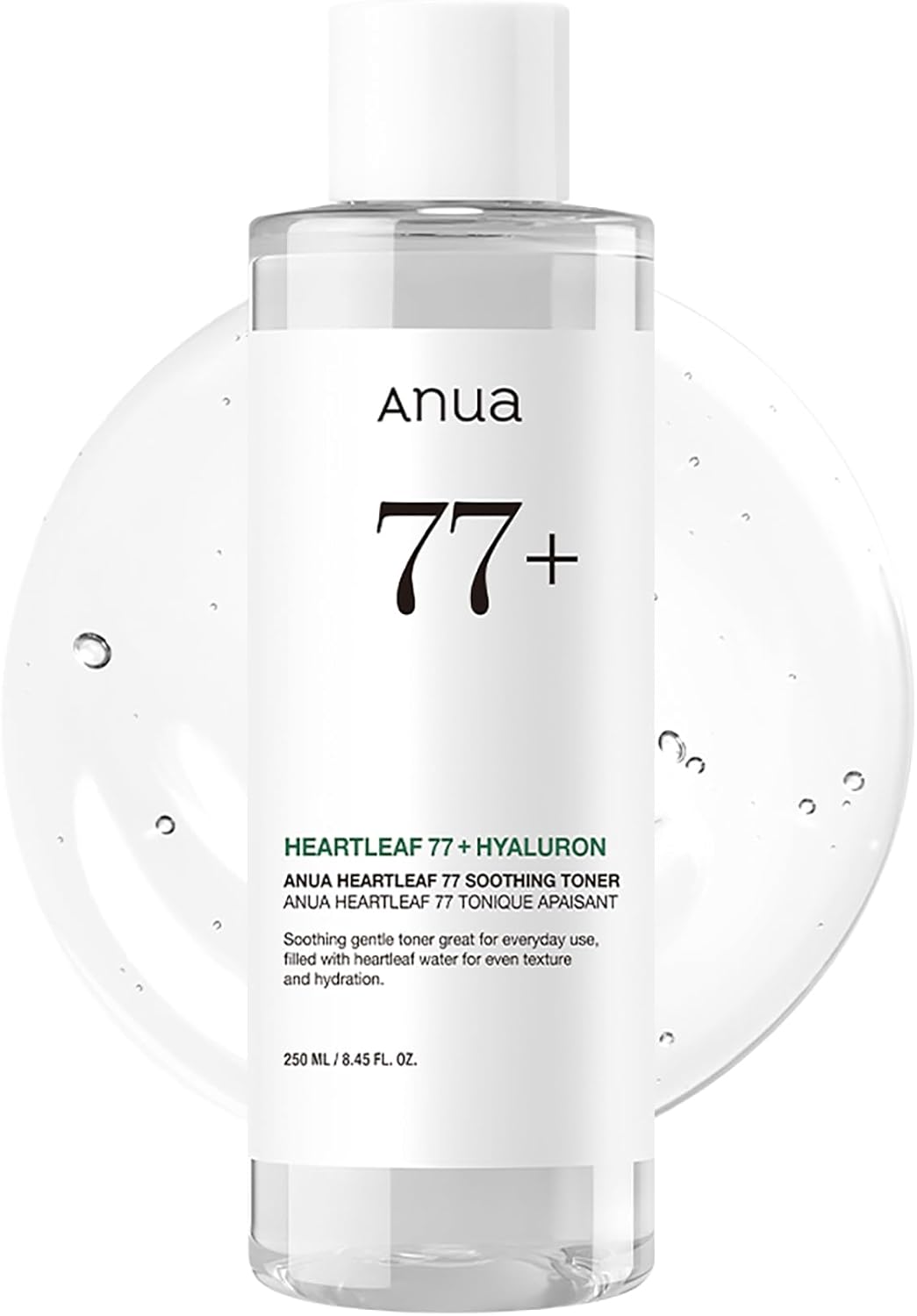
- Anua Heartleaf 77 Soothing Toner – Calms redness and inflammation
These are ideal for everyday use.
Step 4: Chemical Exfoliation (2–3x Weekly)
Exfoliation is essential when creating a skincare routine for oily skin, but moderation is key.

- The Ordinary Glycolic Acid 7% Exfoliating Toner – Helps unclog pores, smooth texture, and reduce dullness
Use only at night and never on irritated skin.
Step 5: Sun Protection (Non-Negotiable)
Sunscreen prevents dark spots, premature aging, and post-acne marks.
Lightweight Sunscreens That Won’t Clog Pores

- Haruharu Wonder Black Rice Moisture Airyfit Daily Sunscreen – Ultra-light and hydrating

- SKIN1004 Madagascar Centella Hyalu-Cica Water-Fit Sun Serum UV 50ml OTC – Soothing and serum-like

- EltaMD UV Clear Face Sunscreen SPF 46, Oil-Free Sunscreen – Dermatologist-recommended for acne-prone skin
Apply every morning, rain or shine.
Step 6: Lightweight Moisturizing (Essential for Oily Skin)
One of the biggest myths about oily skin is that it doesn’t need moisturizer. In reality, skipping this step can cause dehydration, which signals your skin to produce even more oil. When creating a skincare routine for oily skin, a lightweight, oil-free moisturizer is essential to maintain balance, support the skin barrier, and keep sebum under control.
The key is choosing formulas that hydrate without clogging pores or feeling greasy. Look for gel textures, milky emulsions, and ingredients like hyaluronic acid, rice extract, and birch sap.
Lightweight Moisturizers That Won’t Clog Pores

- ANUA Rice 70 Intensive Moisturizing Milk – This lightweight milky moisturizer delivers deep hydration using rice extract while remaining breathable on the skin.

- Curology Gel Face Moisturizer – A gel-based formula especially suitable for acne-prone and sensitive oily skin, offering a smooth, matte finish that layers well under sunscreen.

- COSRX Oil Free Lotion with Birch Sap – Formulated specifically for oily and acne-prone skin, this lotion calms irritation while delivering lightweight hydration.
Morning vs Night Routine for Oily Skin
Morning Routine:
- Foaming cleanser
- Soothing toner
- Lightweight serum or moisturizer
- Sunscreen
Night Routine:
- Oil cleanser
- Foaming cleanser
- Toner (soothing or exfoliating)
- Moisturizer (light gel recommended)
Common Mistakes to Avoid with Oily Skin
- Over-washing your face
- Skipping sunscreen
- Using harsh alcohol-based products
- Exfoliating too often
- Avoiding moisturizers entirely
Avoiding these mistakes is crucial when creating a skincare routine for oily skin.
FAQs About Creating a Skincare Routine for Oily Skin
1. Can oily skin use oil cleansers?
Yes. They help dissolve excess sebum without clogging pores.
2. How often should I exfoliate oily skin?
Two to three times per week is enough.
3. Do I need sunscreen if I have oily skin?
Absolutely. Choose oil-free, lightweight formulas.
4. Is niacinamide good for oily skin?
Yes, it helps regulate oil and minimize pores.
5. Can oily skin be dehydrated?
Yes, and dehydration can increase oil production.
6. Should I use toner every day?
Soothing toners can be used daily; exfoliating ones should not.
Conclusion
Creating a skincare routine for oily skin is all about balance, consistency, and choosing the right products. With gentle cleansing, calming toners, mindful exfoliation, and lightweight sun protection, oily skin can look healthy, smooth, and radiant. Stick to your routine, listen to your skin, and results will follow—no guesswork required.
For additional dermatology-backed guidance, visit the American Academy of Dermatology at https://www.aad.org.
